Our verdict
Why it's our pick for dogs that pull
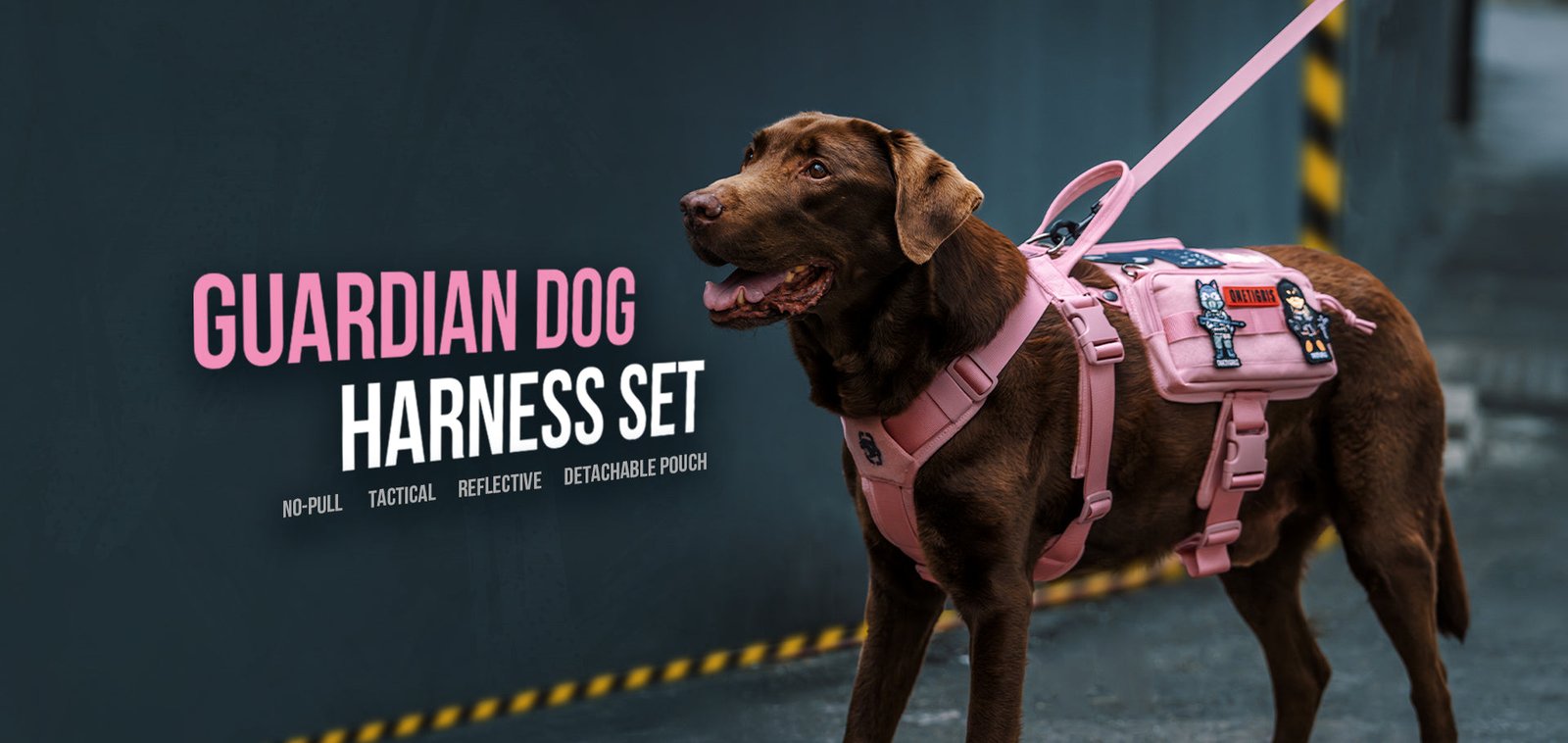
A no-pull harness has one job: make pulling less rewarding without hurting the dog. The cheapest way to fail that job is a thin strap across the throat. The Lukovee avoids it with a padded vest cut that spreads leash pressure across the chest, plus a front chest clip that redirects a pulling dog back toward the handler. That steering effect is the whole trick — the dog leans, the harness pivots them around, and forward progress stops paying.
Fit is the part people get wrong
This harness sizes by chest girth, from XXS (about 11.5–15 in) through XL — and it comes in separate small-dog and medium/large-dog listings. Measure the widest part of your dog's chest with a soft tape before ordering; weight guesses are how harnesses end up returned. The neck and chest straps adjust independently, which is what lets one harness fit a deep-chested dog without rubbing the armpits.
Everyday livability
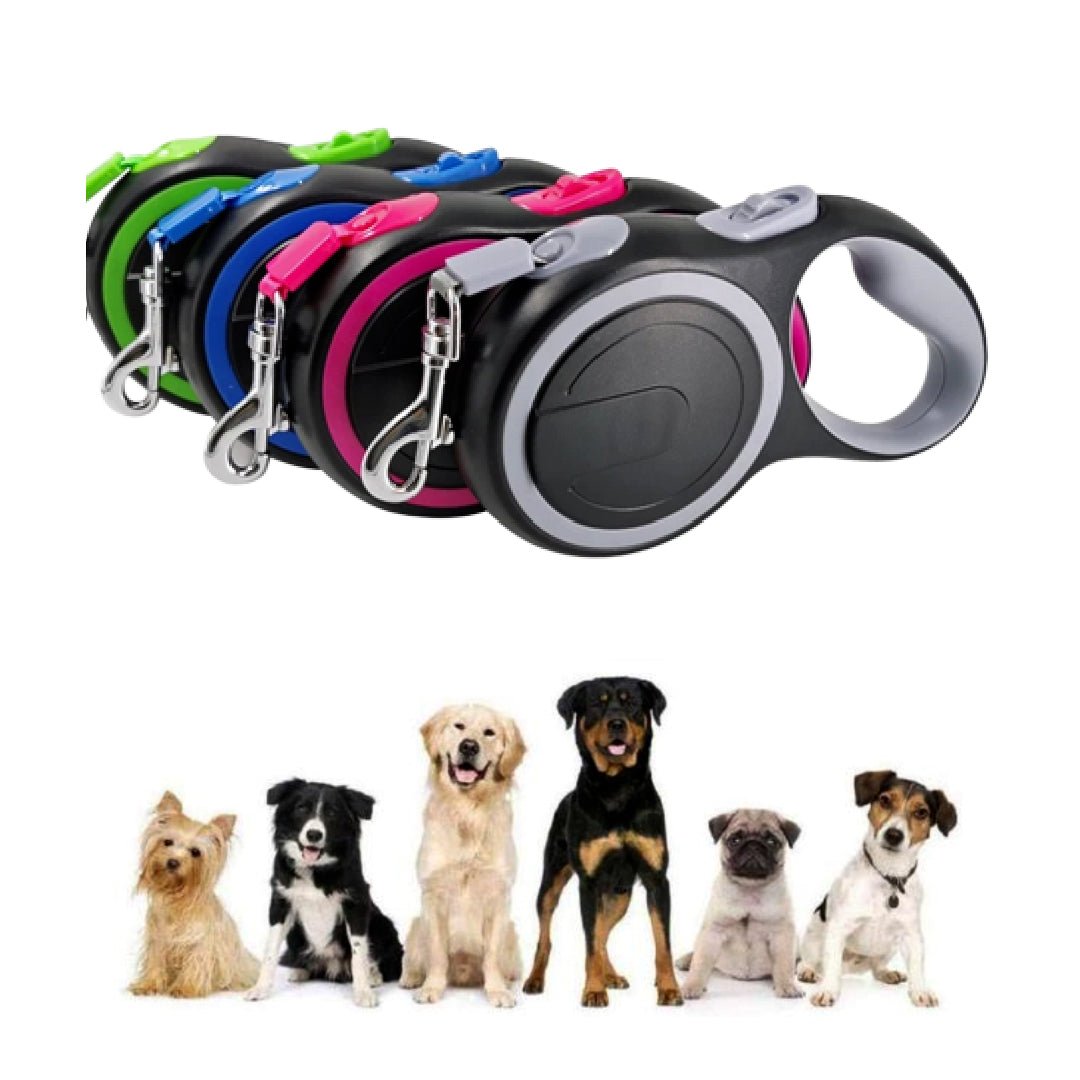
The reflective trim earns its place on winter walks. The included leash has a padded handle and a rotating clasp that resists the twist-tangle that builds up on flexi-style walks. For the price — often under thirty dollars with the leash included — the hardware is reasonable, though the buckles are lighter than what you'd get on a Ruffwear or Julius-K9 harness. If your dog is a 90-pound sled-puller in training, step up to a heavier-duty model; for everyone else this is the sensible buy.
Who should buy it — and who shouldn't
Buy it for pullers in training, dogs that cough on flat collars, and new-puppy starter kits. Skip it if you need a car-safety restraint (this is not crash-tested equipment) or if your dog is an escape artist who backs out of vests — a snugger-fitting harness with a back clip may suit you better.