dogs
FURminator Review 2026: Does the deShedding Tool Work — and Is It Safe?
Pawstimate Research Team· Independent pet gear researchUpdated 8 min read

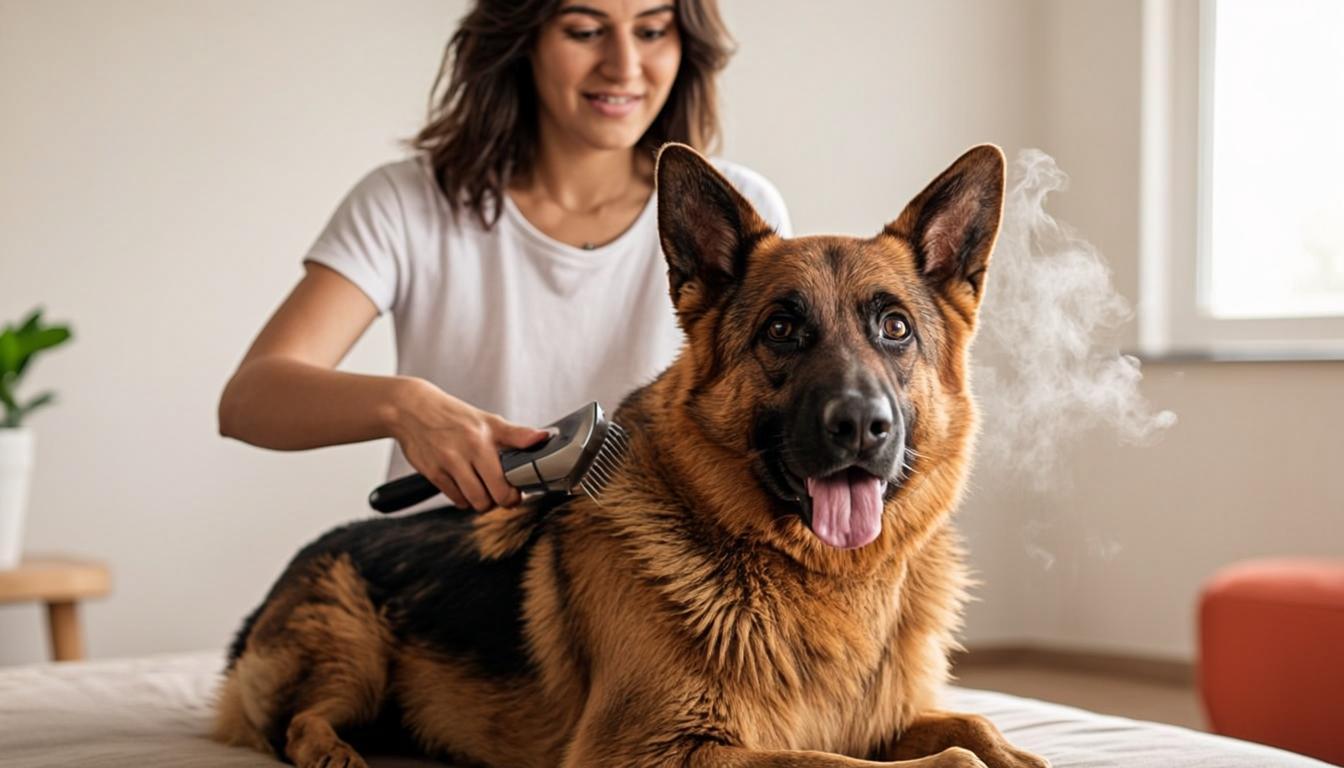
Quick answer: The FURminator works — it's the most effective undercoat-removal tool for double-coated dogs (Huskies, Shepherds, Labs, Goldens), routinely pulling out bags of dead undercoat a slicker brush leaves behind. It's safe when used gently 1–2 times per week for 10–20 minutes on a dry, mat-free coat. It's the wrong tool for single-coated breeds (Poodles, Yorkies, Maltese) and it never cuts or damages healthy topcoat when the edge guard is intact and the strokes are light.
No grooming tool divides dog owners like the FURminator. One camp swears it ended the tumbleweeds of fur; the other insists it ruined their dog's coat. Both camps are describing real experiences — because the FURminator is a specialized tool that produces miracles on the right coat and damage on the wrong one. Here's how to know which camp you should be in before you spend anything.
How we evaluated: mechanism (what the blade actually does to topcoat vs undercoat), effectiveness by coat type, skin-safety technique, overuse damage patterns, and how it stacks against rakes, slickers and professional blowouts.
What the FURminator actually does
The FURminator is not a brush — it's a fine-toothed stainless steel comb with a precision edge designed to reach through the topcoat and comb out the dead, loose hair of the undercoat. The teeth are sized per model (short-hair vs long-hair versions, small through giant dogs, and cats) so the edge stops at the topcoat line instead of slicing through guard hairs. A FURejector button pushes collected hair off the teeth, which sounds like a gimmick and turns out to be the feature you'd miss immediately.
The undercoat is the dense, woolly insulation layer that sheds in clumps — especially during seasonal coat blows in spring and fall. Topcoat (the guard hairs) is what gives a dog's coat its color, shine and weather resistance. A tool that removed topcoat would thin and dull the coat over time; a tool that removes only the dead undercoat is doing the job the dog's own shedding cycle intends, just faster and indoors instead of all over your house.
Does the FURminator "blow out" the coat?
This question — one of the most common deshedding searches — mixes two different meanings, so let's be precise:
- Seasonal coat blowing is the natural event: a double-coated dog shedding most of its undercoat over 2–4 weeks, twice a year. The FURminator doesn't cause this — it harvests it. Used during a blow, the tool collects astonishing volumes of loose undercoat that would otherwise migrate to your couch. This is the "bag of fur" photo effect that made the product famous, and it's genuinely the tool's best use case.
- Does it damage or thin the healthy coat? Not when used correctly. The edge is designed to pass over intact topcoat and engage only loose undercoat. The damage stories come from three avoidable errors: using it daily, pressing hard (the "scraping" sound is pressure, not effectiveness), or using a short-hair model on a long coat so the edge rakes the skin and topcoat instead of riding above them. Overused, any bladed tool abrades guard hairs and can create a rough, frizzy texture and even thin patches — which is why the usage rules below matter.
One more honest note: clipped-or-shaved double coats grow back oddly sometimes, but the FURminator is not a clipper — it never cuts hair. "Blow out" at the groomer means a high-velocity dryer blasting loose undercoat free; the FURminator pairs beautifully with a groomer blowout, removing what the dryer loosened.
Is it safe? The coat-type question decides it
Right tool for: double-coated breeds — Huskies, Malamutes, German Shepherds, Golden and Labrador Retrievers, Corgis, Akitas, Pomeranians, Shiba Inus, Bernese Mountain Dogs, and double-coated cats like Maine Coons. For these dogs it's the highest-yield 15 minutes in home grooming.
Wrong tool for: single-coated dogs — Poodles, Doodles, Bichons, Maltese, Yorkies, Shih Tzus, Portuguese Water Dogs. These coats have no undercoat to remove, so the blade can only contact topcoat and skin: irritation with zero benefit. Curly and silky coats need slickers and pin brushes instead. Wire-coated terriers and any coat with mats also fail the suitability test — detangle mats first with a proper detangler, because a FURminator dragged through mats pulls skin and hurts.
Skin conditions, wounds, or post-surgery: skip bladed tools entirely until skin is healed, and check with your vet for dogs with thin skin (seniors, some sighthounds) — the long-hair model's raised edge guard helps, but gentle judgment is irreplaceable.
The technique that protects skin and coat
- Dry coat only — never wet; a wet coat stretches and the tool over-pulls.
- Detangle first — mats must be out before the FURminator touches the dog.
- Light, long strokes in the direction of hair growth — let the tool's weight do the work. If you hear scraping, you're pressing.
- 10–20 minutes per session, 1–2× per week — during a seasonal blow you can add sessions; the limit is skin, not the calendar.
- Check the tool — bent or burred teeth scratch; the edge guard should be intact.
- Reward and inspect — finish with a treat and a hand-check over the body: no redness, no tenderness, coat still dense over the spine and hips.
How it compares to the alternatives
- Undercoat rake — gentler and cheaper, but yields a fraction of the hair; the right choice for dogs who dislike the FURminator's feel.
- Slicker brush — the everyday maintenance tool for surface tangles and light shedding; complements rather than replaces.
- Groomer blowout (high-velocity dryer) — the most thorough option for heavy double coats; costs more per session and many dogs hate the noise. A FURminator maintenance routine stretches the time between pro blowouts.
- Rubber curry — great for short smooth coats (Beagles, Boxers) and for bathing-shed control; too gentle for serious undercoat.
For the exact model we recommend — sized for long-haired large dogs, which covers the most severe shedders — see our FURminator Undercoat deShedding Tool review page with pros, cons and current pricing.
FAQ
Q: Does the FURminator damage the dog's coat? Not when used correctly. The precision edge is designed to comb out only the dead undercoat while passing over healthy topcoat — it never cuts hair. Coat damage reports trace to three errors: using it daily or with heavy pressure, using a short-hair model on long fur, or dragging it through mats. Follow the light-stroke, twice-weekly, dry-and-detangled rules and the coat stays dense and healthy while the shedding volume drops dramatically.
Q: How often should I use the FURminator on my dog? Once or twice a week for 10–20 minutes is the standard maintenance rhythm for double-coated dogs. During spring and fall seasonal blows, you can safely increase frequency — the loose undercoat is coming out regardless, and every strand collected is a strand not on your floor. Stop and reassess if you see skin redness, your dog flinching, or the coat starting to look thin over the spine and hips.
Q: Is the FURminator safe for all dog breeds? No — it's specifically a double-coat tool. It's ideal for Huskies, Shepherds, Retrievers, Corgis and other double-coated breeds, and wrong for single-coated dogs (Poodles, Doodles, Maltese, Yorkies, Shih Tzus) where there's no undercoat to remove and the blade contacts only topcoat and skin. It's also unsafe on matted coats until mats are detangled first, and should wait until wounds or skin conditions have healed.
Q: Why is my dog still shedding after using the FURminator? Some shedding is permanent biology — no tool stops the cycle, it accelerates it. Persistent shedding usually means the sessions are too short or infrequent for the coat volume, the wrong size model is being used (a short-hair tool on a long coat barely reaches the undercoat), the coat is being groomed wet, or the shedding is diet-, stress- or health-driven — sudden heavy shedding outside seasonal patterns warrants a vet conversation about thyroid, nutrition or allergies.
Q: FURminator vs undercoat rake — which is better? The FURminator removes far more undercoat per session and its FURejector clearing button keeps long sessions practical; the rake is cheaper, gentler, and better for sensitive or tool-shy dogs. Many double-coat owners run both: raking for relaxed weekly maintenance, FURminating before seasonal blows and before baths. If your dog tolerates the FURminator and the coat is a true double coat, it does the job of several rake sessions in one.
Bottom Line
The FURminator is the most effective undercoat tool you can buy for a double-coated dog — a genuine shed-volume reducer, not a gimmick, and safe to the skin and topcoat when the rules are followed: right coat type, dry and mat-free, light strokes, twice weekly. It's the wrong tool for single coats and mats, which is where its bad reviews come from. Match the tool to the coat and it will feel like cheating at housekeeping — you can check the exact model we recommend in our full review.
FAQ — safety and the tool variants
Q: Are deshedding tools safe for dogs? The blade-style ones (FURminator included) are safe when used correctly: short, light strokes in the direction of the coat, once or twice weekly at most, on double-coated breeds. The risk is overuse — the fine teeth can cut guard hairs and irritate skin on short single coats (Boxers, Whippets) or already-thin coats. Safe pattern: weekly during shedding season, 10-minute sessions, stop at any skin redness, and never on wet coats. Rake-style tools are gentler for the over-grooming prone.
Q: What's the FURminator sensitive areas tool for? It's the small-blade variant for the thin-skinned zones the standard tool shouldn't touch — around the face, ears, belly, tail base and paws. Same mechanism (fine teeth pulling loose undercoat) in a shorter, gentler edge. Worth adding for dogs that tolerate body work but flinch at the standard tool near their face; not a standalone tool for whole-body deshedding.
Q: FURminator vs grooming rake — which do I need? Different jobs. The FURminator's fine, long teeth cut through topcoat to pull packed undercoat — best for dense double coats (Husky, German Shepherd, Golden) during shed season. A grooming rake has wider, rounded teeth that detangle and thin without reaching skin — the safer default for long flowing coats (Maltese, Afghans) and sensitive dogs. Many double-coat households own both: rake for weekly maintenance, FURminator for the two heavy sheds a year.


