Cats
How to Introduce a Second Cat Without World War III
Pawstimate Research Team· Independent pet gear researchUpdated 8 min read

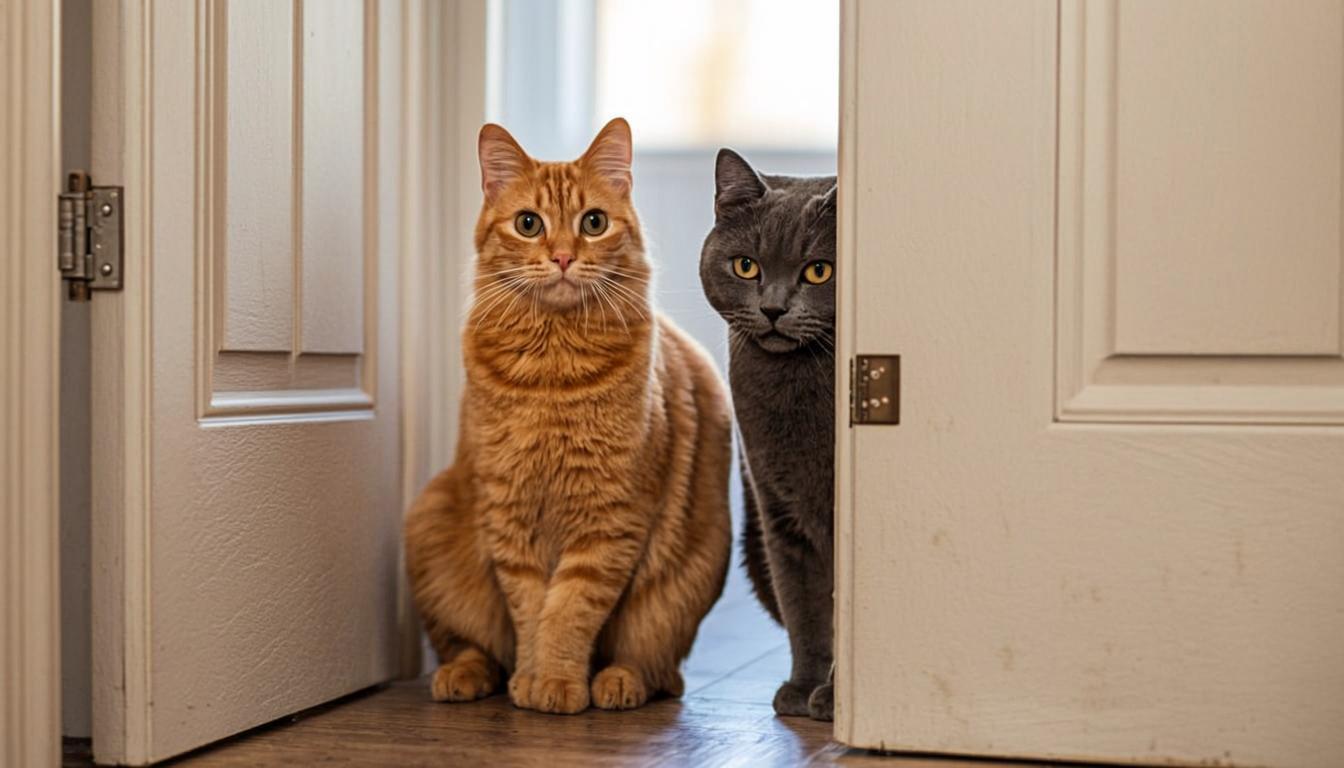
Every year, well-meaning owners bring home a new cat, open the carrier, and let the two cats "sort it out." Some pairs do. Many don't — and a bad first week can set the relationship back months. The good news: cat introductions have a well-known shape to them, and the owners who follow the pacing rarely end up with a war.
The rule that does most of the work
Sight before contact, scent before sight. Cats build their picture of the world through smell first; a resident cat who has been smelling the newcomer for days before seeing them reacts to a familiar stranger rather than an intruder. Rushing that order — carrier set on the living-room floor, face to face — is the single most common mistake.
A realistic week-by-week shape
Week 1 — separate rooms. The new cat gets a sanctuary room: litter, water, hides, food. The cats trade spaces sometimes but never meet. Feed both on opposite sides of the closing door so meals become associated with the other cat's nearby presence. Swap bedding between rooms daily — scent exchange without risk.
Week 2 — scent and site swaps. Let the new cat explore the main house while the resident inspects the (now empty) sanctuary room. Continue door-feeding. Many owners also do "towel Rub-a-Dub": stroke one cat's cheeks with a sock, then the other's, alternating, until both smell like a joint household.
Week 3 — glimpses. Crack the door at feeding time, or use a baby gate with a blanket half-covering it. Brief visual contact, food present, calm apart. Hissing here is normal; growling-with-pinned-ears means shut the door and drop back a step. Repeat short sessions daily.
Week 4+ — supervised contact. First full meetings in a large room with vertical escapes (cat trees, shelves) and a second litter box already placed. Keep sessions short, end on a good note, and don't force closeness. Gradual free-roaming follows over weeks.
Some pairs take a week; some take three months. The schedule bends; the order doesn't.
Gear that quietly does half the work
A second litter station, placed apart. The territorial rule of thumb is one box per cat plus one, in separate locations — sharing a single box area is a common root of later "mystery" house-soiling.
Duplicated resources. Two water stations (a fountain genuinely helps — see our cat water fountain picks), two feeding spots, multiple hides. Competition is the enemy; abundance is cheap.
Vertical space. A cat tree or shelf system lets cats share a room without sharing the floor. Height is the feline version of personal space.
Comfort for the anxious one. If your resident cat is a worrier, a calming donut bed in a quiet corner gives them a retreat that's theirs — which reduces the odds they'll defend the whole house instead.
When it's not working
Back up a phase and slow down; there's no deadline. But if weeks of gate-feeding produce only flat-ears, stalking and ambushes, that's beyond normal adjustment — talk to your vet (pain is a common hidden driver of aggression) and consider a certified behaviorist. The OSU Indoor Pet Initiative has excellent free material on multi-cat households that matches what behaviorists practice.
Duplicating resources works best before the first meeting — both picks are here:
- Want a closer look? See Stainless Steel Cat Water Fountain on Amazon (paid link) — it's a paid link, and the price you'll find there is the live one, not a snapshot from our research.
- Want a closer look? See SAVFOX Calming Dog Bed on Amazon (paid link) — it's a paid link, and the price you'll find there is the live one, not a snapshot from our research.
The honest bottom line
Most "incompatible" cats are just poorly sequenced cats. Scent before sight, sight before contact, food present throughout, and resources duplicated from day one. The plan costs patience, a second litter box and a spare sock — far less than the alternative.
This guide contains paid affiliate links; if you buy through them we may earn a commission that never influences our rankings.