dogs
Dog Toys Guide 2026: Tug, Fetch, Puzzle & Washable Enrichment Toys That Get Used
Pawstimate Research Team· Independent pet gear researchUpdated 8 min read

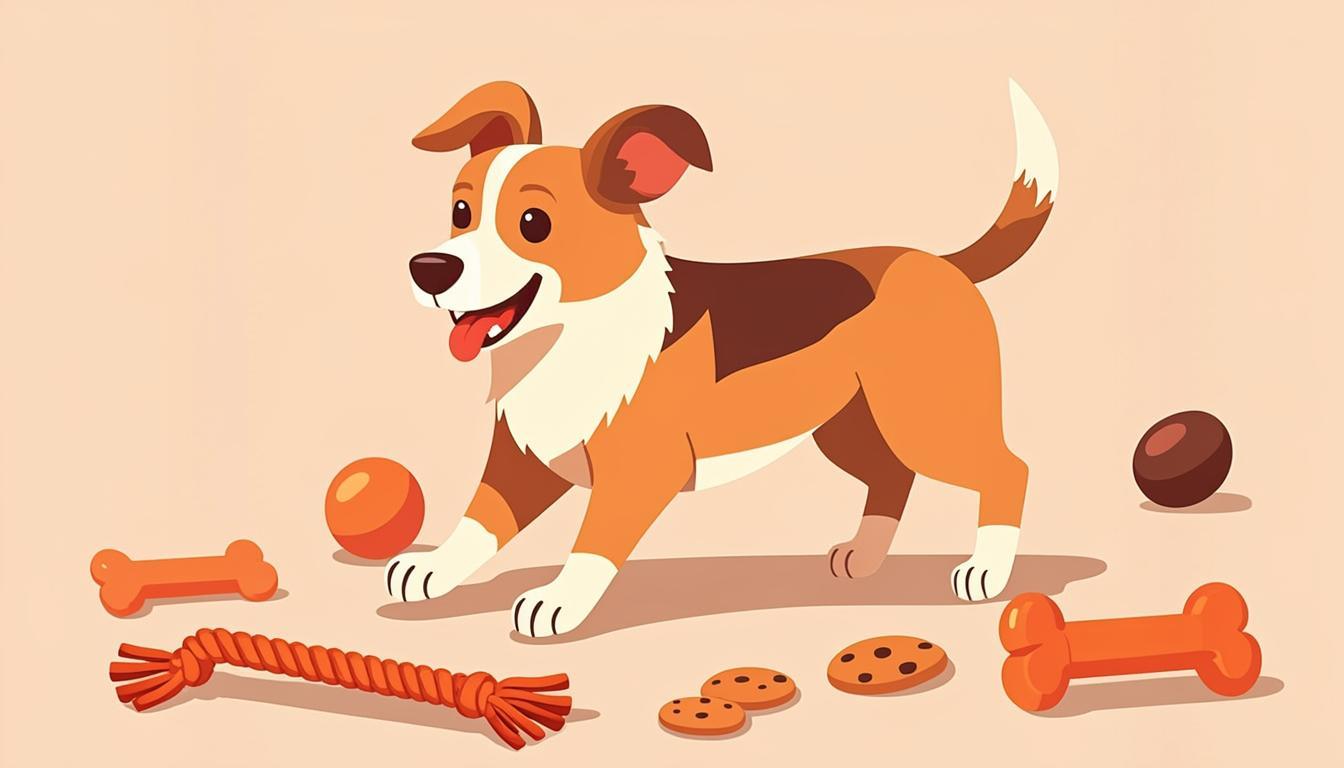
Quick answer: The best dog toys match a format to an instinct: tug toys for grabbing dogs, fetch balls and launchers for chasers, puzzle feeders for thinkers, snuffle mats and dig boxes for scent-driven and digging breeds — terriers especially. Rotate 4–6 toys weekly instead of leaving all of them out, choose washable enrichment toys (rubber stuffables, machine-washable snuffle mats, hot-water-soakable ropes) over plush toys that stay damp, and retire anything shedding rubber bits. Enrichment that ends in a "kill" or a find beats passive chew toys almost every time.
Dogs don't get bored of toys — they get bored of availability. A toy left on the floor for three weeks becomes furniture; the same toy rediscovered after a week in the cupboard is new again. That single insight does more for a dog's daily enrichment than any single purchase, and it's the backbone of this guide: buy for the instinct, rotate for novelty, wash for safety, and retire on schedule.
How we evaluate toys: instinct match (which behavior does it let the dog perform), durability by chew style, washability, safety failure modes (detached eyes, stuffing, rubber shards), and — the one most lists skip — whether the toy has a finish line. Terriers, herders and hounds were built for jobs that end; toys that end in a find, a kill or a reward keep working long after a passive chew toy has been abandoned under the sofa.
The five toy formats — and the dogs they're built for
- Tug — for grabbers and shookers. A good tug rope feeds the grabbing-and-shaking sequence most dogs find self-rewarding. The Meuuxe tug rope toy handles the shaking-and-slamming phase that destroys cheaper ropes in one session. Two rules: tug only with rules (take it / drop it), and let the dog win often enough that the game stays worth playing.
- Fetch — for chasers. The Chuckit Ultra Ball medium 2-pack is the durable standard: high-bounce rubber that survives the catch-slam, bright enough to find in tall grass, sized so it can't lodge in the throat of a medium-to-large dog. Tennis balls are fine occasionally, but their felt abrades enamel and they get destroyed fast.
- Puzzle — for thinkers and fast eaters. The Outward Hound Hide-A-Squirrel puzzle is the classic seek-and-extract game — squeaky squirrels hidden in a plush trunk, refillable with extra squirrel packs as difficulty. For food-motivated dogs that inhale meals, the Petsta treat dispensing puzzle converts dinner into 15 minutes of problem-solving, which genuinely tires a dog more than a second walk.
- Scent work — for noses. Snuffle mats and scatter-feeding tap the strongest sense a dog has. Ten minutes of nose work is as fatiguing as a 30-minute walk, which is why scent formats are our default recommendation for rain days, senior dogs and post-surgery rest.
- Digging — for terriers specifically. You will not stop a terrier from digging; you can only give the behavior a legal outlet. A backyard dig box (a sandbox buried with toys and the occasional treat) redirects the flowerbed habit in days, not weeks. Terriers score highest of any group on enrichment that ends in a find — it's what they were bred to do.
Washable enrichment toys: what survives the laundry
Washability is the most underrated purchase filter in this category. Slobber plus kibble crumbs breeds bacteria fast, and toys that can't be washed get thrown away rather than cleaned — which is how a "cheap" plush toy becomes five purchases a year.
What survives washing, by material:
- Natural rubber puzzle toys and KONG-style stuffables go on the top rack of the dishwasher or in hot soapy water. The rubber tolerates boiling-water soaks that melt plush toys. Stuff with wet food or banana and freeze for a long-lasting summer session.
- Canvas and nylon snuffle mats and tug toys survive gentle machine cycles inside a mesh laundry bag. Air-dry fully before the next session — a damp mat stored in a cupboard smells and molds fast.
- Rope toys can be soaked in hot water (some owners run them through a full wash cycle) and air-dried. Retire the rope once strands fray past an inch — swallowed strings are a real vet emergency, and no toy is worth that visit.
- Skip: fabric toys with glued-on eyes or squeakers that stay damp inside, and anything shedding rubber bits. A washable toy costs more up front and outlives five plush ones.
Wash enrichment toys every 1–2 weeks in normal use, weekly for heavy droolers or multi-dog households.
The rotation system that makes cheap toys outlast expensive ones
Here's the full system, and it costs nothing: keep 4–6 toys in the active rotation, store the rest out of sight, and swap the sets every 5–7 days. Add novelty by changing formats within the set — a tug day followed by a puzzle day reads as "new toys" to a dog that hasn't seen the puzzle in a week. Feed a portion of the daily kibble through a dispenser toy or snuffle mat at least once a day; that single habit converts dead evening time into worked-for food and takes the edge off demand-barking and attention-seeking.
Safety notes that matter more than brand choice: size up when in doubt (a toy that can be fully wedged in a dog's mouth is a choking toy), supervise the first session with any new format, check toys weekly for detached parts, and match toughness to chew style — a gentle retriever and a power-chewing pit mix should not own the same toy budget category.
FAQ
Q: What toys are best for terriers that dig, tug and fetch? Terriers were built for a job, so rotate formats that let them do it: a tough tug rope for the grabbing instinct, fetch balls or launchers for the chase, puzzle feeders and snuffle mats for scent work, and — the cheapest fix of all — a backyard dig box (a sandbox buried with toys) that redirects real digging away from your flowerbeds. Terriers score highest on enrichment that ends in a "kill" or a find, so toys with a finish line beat passive chew toys almost every time.
Q: Are there washable enrichment toys? Yes, and they're worth seeking out: natural rubber puzzle toys and KONG-style stuffables go in the top rack or a mesh laundry bag, canvas and nylon snuffle mats and tug toys survive gentle machine cycles, and rope toys can be soaked in hot water and air-dried. Wash enrichment toys every 1–2 weeks (slobber plus kibble crumbs breeds bacteria), skip fabric toys that stay damp inside, and retire anything shedding rubber bits. A washable toy costs more up front and outlives five plush ones.
Q: How many toys should a dog have at once? Fewer than most households own: 4–6 in active rotation is the sweet spot. Dogs presented with twelve toys engage with none of them deeply, while a rotated set of five keeps each toy novel. The rotation matters more than the shopping.
Bottom Line
Buy for the instinct, rotate for novelty, wash for safety. A tug rope, a durable fetch ball, one seek-and-extract puzzle, a snuffle mat and a dig box cover every drive a terrier — or any dog — brings to the yard, and the Outward Hound Hide-A-Squirrel plus a Chuckit Ultra Ball is the two-toy starter kit we suggest first. Enrichment that ends in a find beats a mountain of plush every single week.


